
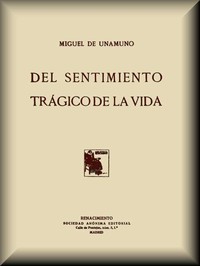
Del sentimiento trágico de la vida by Miguel de Unamuno
This isn't a novel in the traditional sense. There's no plot or characters in the way we usually think of them. Instead, the 'story' is the internal battle of the human condition. Unamuno maps out the landscape of a specific kind of pain: the 'tragic sense of life' that comes from loving life so much you can't bear the thought of it ending, while your intellect coldly points out that ending is inevitable. The book walks us through this conflict, examining how it affects faith, reason, love, and action.
Why You Should Read It
You should read this if you're tired of simple, feel-good philosophies. Unamuno doesn't let anyone off the hook—not the devout believer who avoids hard questions, nor the cold rationalist who dismisses human longing. His writing is passionate, almost desperate. He argues that this very conflict, this suffering, is what makes us most human. It's strangely comforting. He gives a name and dignity to that deep, wordless anxiety we sometimes feel. It made me think, 'Oh, so I'm not crazy for feeling this way.'
Final Verdict
This book is perfect for anyone who likes to wrestle with big questions and doesn't need a neat, packaged solution. It's for the thoughtful reader, the seeker, the person who finds comfort in complex truths rather than simple platitudes. It's not a light read, but it's a profoundly human one. If you enjoyed the personal urgency of writers like Kierkegaard or the existential questions in Dostoevsky's work, you'll find a fierce and brilliant companion in Unamuno.
This content is free to share and distribute. Feel free to use it for personal or commercial purposes.
Donald Jackson
1 year agoMy first impression was quite positive because the argument presented in the middle section is particularly compelling. A refreshing and intellectually stimulating read.
Jennifer Robinson
1 year agoJust what I was looking for.
Richard Moore
1 year agoHigh quality edition, very readable.
James Martinez
6 months agoWithout a doubt, it manages to explain difficult concepts in plain English. Worth every second.



Nancy Rodriguez
3 weeks agoOne of the most comprehensive guides I've read this year.