eBooks
91 Books foundWelcome to the NOEEP Public Domain Literature Library
The NOEEP Public Domain Literature Library offers a curated collection of 91 public-domain texts focused on agriculture, gardening, and rural life. Each work has been selected for its historical and practical value, providing readers with direct access to the writings of farmers, horticulturists, and agricultural scientists from the 17th to the 20th century.
Browsing the Catalogue
Readers may explore the library through four thematic categories: Farming; Gardening; Plants Soil; and Livestock. Each category groups works that share a common subject or approach. Alternatively, the full list of titles is accessible from the archive homepage, with links to individual book pages.
What a Book Record Contains
Every book record displays the title, author(s), publisher, keywords, target-reader description, and a catalogue note that provides editorial context. The catalogue note explains the work's origin, structure, and distinctive features, helping readers decide whether the text suits their interests.
Source Attribution
All texts in this library originate from Project Gutenberg, a digital library of public-domain works. Each record includes the publisher field stating "Project Gutenberg," and no claim is made to any proprietary rights. Readers may verify the source and access the original files through the provided URLs.
Three Practical Reading Paths
Path One: Livestock and Land Management – Begin with Horace Greeley's What I Know of Farming for a 19th-century overview, then explore John Widtsoe's Dry-Farming for arid-region techniques, and conclude with the Du Pont company's Farming with Dynamite for a glimpse of mechanical innovation.
Path Two: The Garden as Art and Science – Start with Charles Dudley Warner's humorous My Summer in a Garden, move to Gertrude Jekyll's Wood and Garden for design principles, and finish with Alice Morse Earle's Old-Time Gardens for historical context.
Path Three: Animals and Practical Breeding – Read S.L. Goodale's The Principles of Breeding for foundational genetics, then Charles Cameron's The Stock-Feeder's Manual for feeding chemistry, and finally Harold Long's Plants Poisonous to Live Stock for health management.
Categories as Navigation Aids
The four categories are not rigid literary classifications but practical groupings that guide discovery. Works may straddle boundaries: for example, a gardening manual with livestock sections appears in the gardening category, while a treatise on soil fertility might appear in the farming category. Readers are encouraged to browse across categories for a fuller picture.
Bibliographic dates and catalogue measurements
The catalogue distinguishes the Project Gutenberg digital release from a work’s original or first publication. Project Gutenberg is identified as the digital source for the edition available here; its release year is therefore shown as Gutenberg Release Year, not as the work’s original publication year.
When an explicit first-publication or issue date can be supported directly by the title or issue information, it may be shown separately as First Publication Year. When that date cannot be confirmed, the catalogue displays Not confirmed rather than guessing a year.
Where the source text can be measured reliably, the catalogue may provide word count and estimated reading time. These measurements describe reading scope and are not quality rankings.
The current catalogue contains 4 active subject categories: Farming, Gardening, Plants Soil, and Livestock. Categories are browsing aids and may overlap where a work reasonably fits more than one subject.
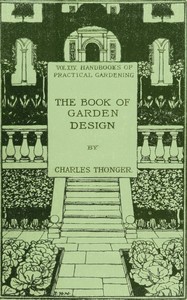
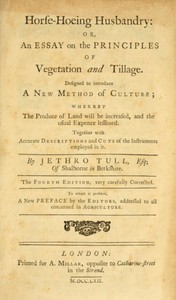
- Featured
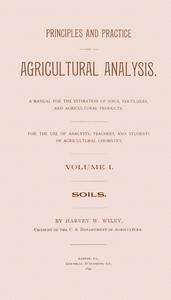
- Featured