
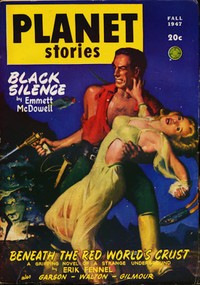
Escape From Pluto by William Oberfield
Imagine this: you're on a freezing, dark space rock called Pluto, working for a greedy corporation that treats you like a tool. That's the life of Bill Marsden, a geologist stuck at Charon Mining's outpost. The story kicks off when a bunch of nasty accidents start piling up—first miners go missing, then machines break in impossible ways. Bill figures out that the bigwigs have rushed the digging into untouched methane ice fields just to boost profits, ignoring safety reports. What they didn't know: the ice holds something ancient and alive. Before long, the colony is shaking apart, oxygen running low, and Bill has to leap into hyperdrive mode with an amateur gang of survivors to get out before Pluto ends his resume permanently.
The Story
William Oberfield masterfully keeps the plot moving like a bouncing utility bot. Bill's not a tough guy—he's a flawed star of a man who's good with rocks, bad with people, and tired of being pushed. He starts investigating the accidents while trying to keep his rookie assistant, Sarah, from panicking. Then a quake shifts the colony off its foundation, trapping twenty folks in the deepest mine shafts. Bill realizes the only escape might come from a lone experimental drill at the opposite side of the base—if it hasn't been smashed by the same thing causing the tremors. There's a thrilling cat-and-mouse between him, a cunning corporate bureaucrat who wants silence kept, and the unknown pressure burrowing closer. The climax drops readers into a dark bubble of ice, with discovery and liberation hinging on one last choice.
Why You Should Read It
I loved how smart Bill is without being a grumpy genius. He makes mistakes, gets scared, and lights a match because that's all he has. The book doesn't bash you over the head with space jargon—it's about being stuck and using anything at hand to keep going. Oberfield makes you smell the filtered air and feel claustrophobia climbing. Plus, the colony's power play—working class humans versus cold-hearted management—feels like real drama from a manufacturing plant, not science fiction. It turns up the heat when you think things can't get darker. Peanut gallery: every time the reading went quiet, a new tremor sent chills. No cheesy heroes; just consistent, genuine people punching above their weight against cosmic odds.
Final Verdict
This is a must-read if you enjoy survival pressure in 'The Expanse' or 'Astrokey' vibes: brains over brawn, with corporate monsters that maybe feel closer to earth—literally. Perfect for fans of limited-time endurance puzzles too. Great for newbies because it speaks without a sci-fi dictionary. Possibly not for purists wanting warp drives every chapter—it's stuck on Pluto. Still, for escapism that sweats around corners... buddy, that's a high-five from me.
This text is dedicated to the public domain. Feel free to use it for personal or commercial purposes.
Nancy Jones
11 months agoI was particularly interested in the case studies mentioned here, the data points used to support the main thesis are quite robust. If you want to master this topic, start right here.








Mary Williams
9 months agoI particularly value the technical accuracy maintained throughout.